To size a generator correctly, list every appliance it must run at the same time, add up their running watts, add the largest single starting surge, then choose a generator rated 20 to 25 percent above that total. That is the whole method. The mistakes happen in the details: forgetting that motors draw far more at start-up than they do running, or buying on price and ending up with a unit that trips every time the fridge compressor kicks in.
Step 1: List what must run at the same time
Walk through the premises and note everything that will draw power during an outage. Be honest about what runs simultaneously. A household that runs lights, a fridge, a TV and a few phone chargers is a very different load from a bar with three freezers and a sound system.
Step 2: Add up running watts
Every appliance has a rating plate or manual listing its consumption. Typical figures we see on site surveys in Kampala:
| Appliance | Typical running watts | Starting surge |
|---|---|---|
| LED lighting (whole house) | 100 to 300 | None |
| Fridge or freezer | 150 to 400 | 3x running |
| Television and decoder | 80 to 200 | None |
| Water pump (1 hp) | 750 to 900 | 3x to 5x running |
| Air conditioner (small split) | 900 to 1,500 | 3x running |
| Office computers, each | 100 to 300 | None |
These are ranges, not promises. The rating plate on your own equipment always wins.
Step 3: Account for starting surge
Anything with a motor or compressor briefly draws several times its running power when it starts. You do not need to add every surge together, because appliances rarely start at the same instant. Add the single largest starting surge to your running total.
Step 4: Add headroom and convert to kVA
- Add 20 to 25 percent to the total. Generators age, and loads grow.
- Divide watts by 0.8 to convert to VA, then by 1,000 for kVA. A 4,000 W total becomes roughly a 5 kVA unit.
- Check the phase. Most homes and shops in Uganda are single phase (240 V). Factories and large pumps often need three phase (415 V), which changes the generator entirely.
Why both undersizing and oversizing cost you
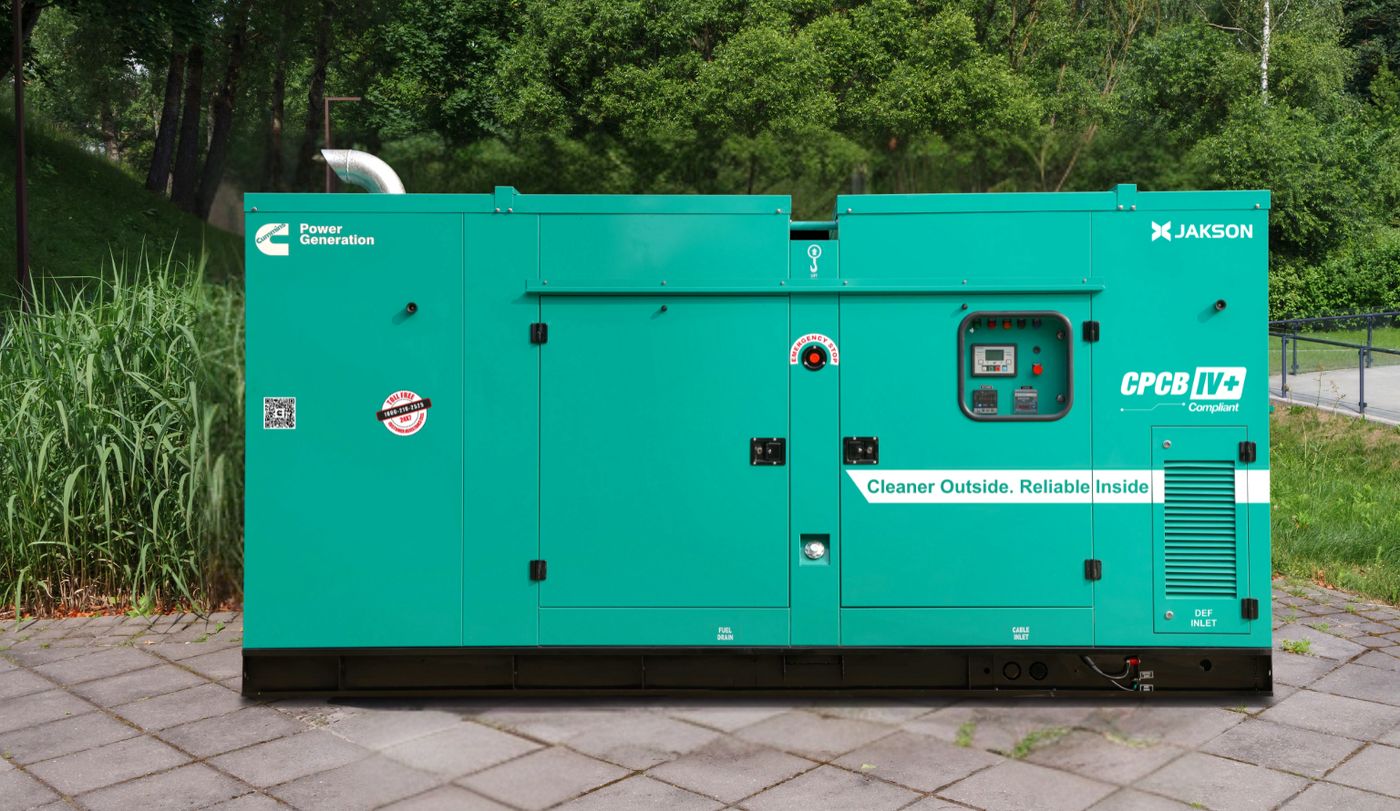
An undersized generator trips, overheats and wears out early. An oversized diesel unit that idles along at low load suffers wet stacking and wastes capital you could have spent on a proper maintenance plan. The right unit runs at 50 to 80 percent of its rating.
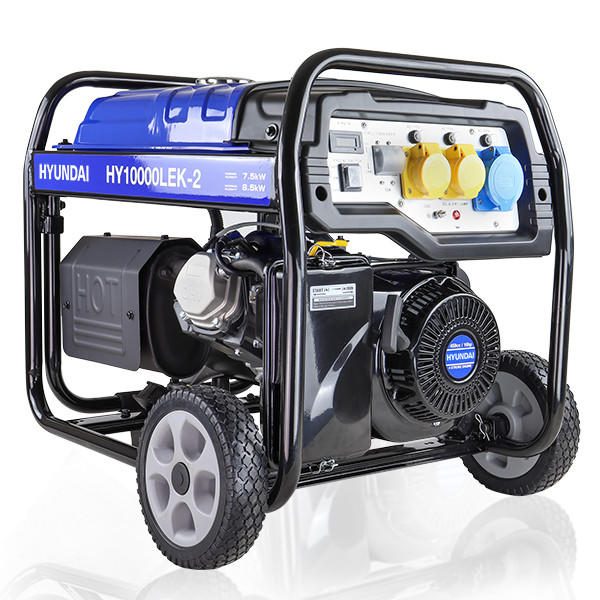
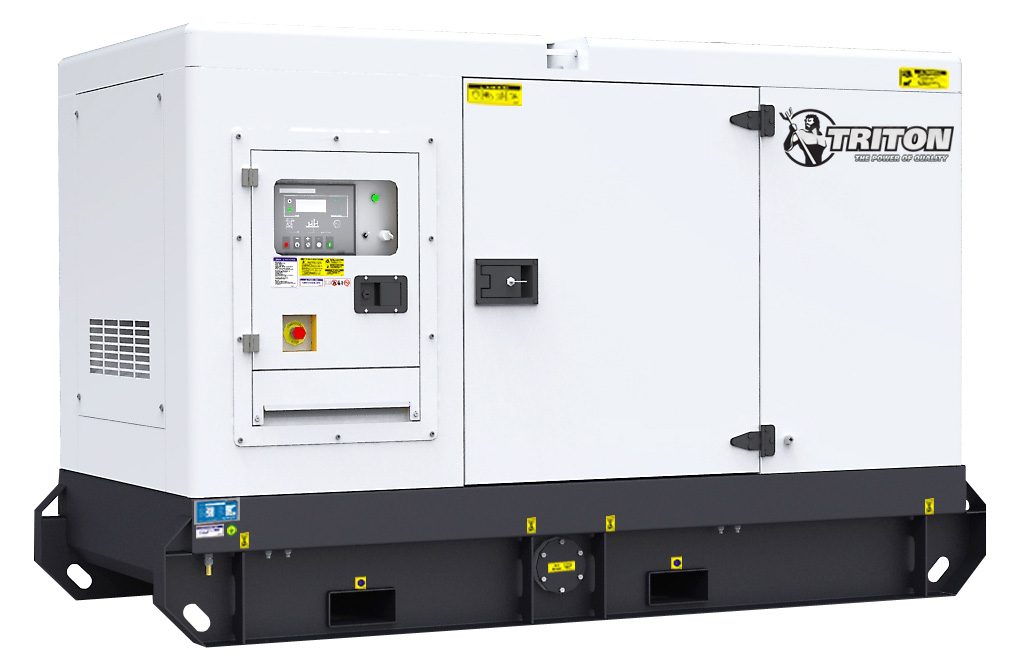
If the numbers above feel like guesswork for your site, they do not have to be. Our Power & Solar division measures real loads with a clamp meter during a site survey, then quotes a unit sized to what you actually run, whether that is a 2.5 kVA petrol set for a shop or a silenced three-phase standby plant for a factory. Deciding between fuels first? Read our diesel vs petrol comparison.
Frequently asked questions
What size generator do I need for a small shop in Uganda?
Most small shops running lights, a fridge, a television and phone charging fit comfortably on a 2.5 to 5 kVA generator. If you run a freezer or welding equipment, size up after measuring the actual load.
What is the difference between kVA and kW?
kW is the real power your appliances consume. kVA is the apparent power the generator supplies. For most small generators, multiply kVA by 0.8 to estimate usable kW.
Is it bad to run a generator below its capacity?
Diesel generators that run for long periods below about 30 percent load can suffer wet stacking, where unburnt fuel fouls the engine. Size the unit to run between roughly 50 and 80 percent load.