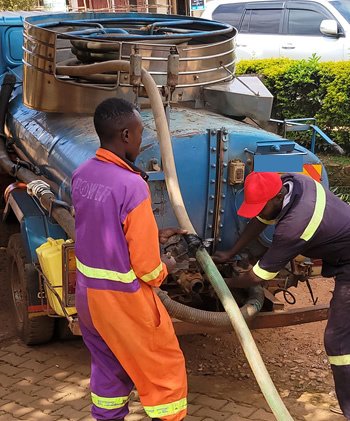
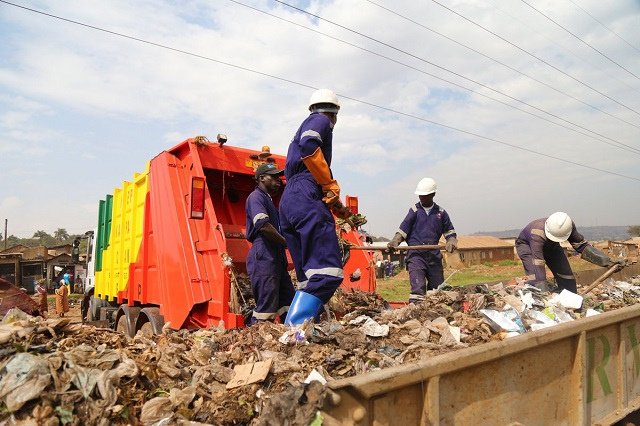
Construction waste removal in Kampala is a bulk logistics problem: rubble, soil, timber, metal and packaging accumulating faster than any ordinary collection can clear, on a site where space is money. Handled well, most of it never needs a landfill at all: clean rubble becomes fill, metal becomes scrap value, and only the true residue rides to disposal. Handled badly, it becomes a blocked site, a neighbour dispute or a compliance case.
Plan waste like you plan concrete
Every build generates predictable waste at predictable phases: excavation soil at groundbreaking, formwork timber and cement bags through the structure, offcuts and packaging through finishing, and a final clearance before handover. Booking bulk removal against those phases, rather than calling when the pile blocks the gate, keeps the site workable and the removal cheaper, because scheduled trips beat emergency ones.
Sort on site: the three-pile discipline
- Clean rubble and soil. Concrete, brick and murram, kept free of plastics and timber, have value as fill and hardcore. Many loads leave a site at low or no disposal cost when kept clean.
- Recoverables. Reinforcement offcuts and metals go to scrap; sound timber gets reused or sold. A designated corner for these pays for its space.
- Mixed residue. What remains, from packaging to broken materials, is the fraction that genuinely needs licensed disposal.
The fractions that need special care
Sites also produce hazardous materials: paint and solvent containers, bitumen products, machine oils from plant, and occasionally old asbestos sheeting during demolitions. These never mix into general loads; they follow the controlled handling in our hazardous waste guide. Asbestos in particular needs professional assessment before anyone disturbs it.
Paperwork protects the project
Owner and contractor share responsibility for where site waste ends up, and a project is easiest to defend when every bulk load has a record: date, volume, transporter and destination. It is the same cradle-to-grave logic covered in our NEMA compliance guide, applied at truck scale.
Our waste management services runs bulk construction removal across greater Kampala: tipper loads scheduled to your build phases or on demand, site-sorting advice that cuts your disposal volumes, licensed transport with documentation, and a final handover clearance that leaves the plot ready for its owners.
Frequently asked questions
How is construction waste disposed of in Kampala?
Bulk transport to licensed disposal or reuse destinations: clean rubble often goes to fill projects, metals to scrap recycling, and mixed waste to gazetted sites. Licensed transporters keep the movement compliant.
Can construction rubble be reused?
Yes, extensively. Clean concrete and brick rubble serves as fill and hardcore, timber gets reused or resold, and metal offcuts go straight to recyclers. Sorting on site turns disposal costs into partial recoveries.
Who is responsible for waste on a building site?
The project owner and contractor share responsibility for ensuring waste reaches licensed disposal. Written removal records protect both, which is why documented bulk removal is standard on well-run sites.