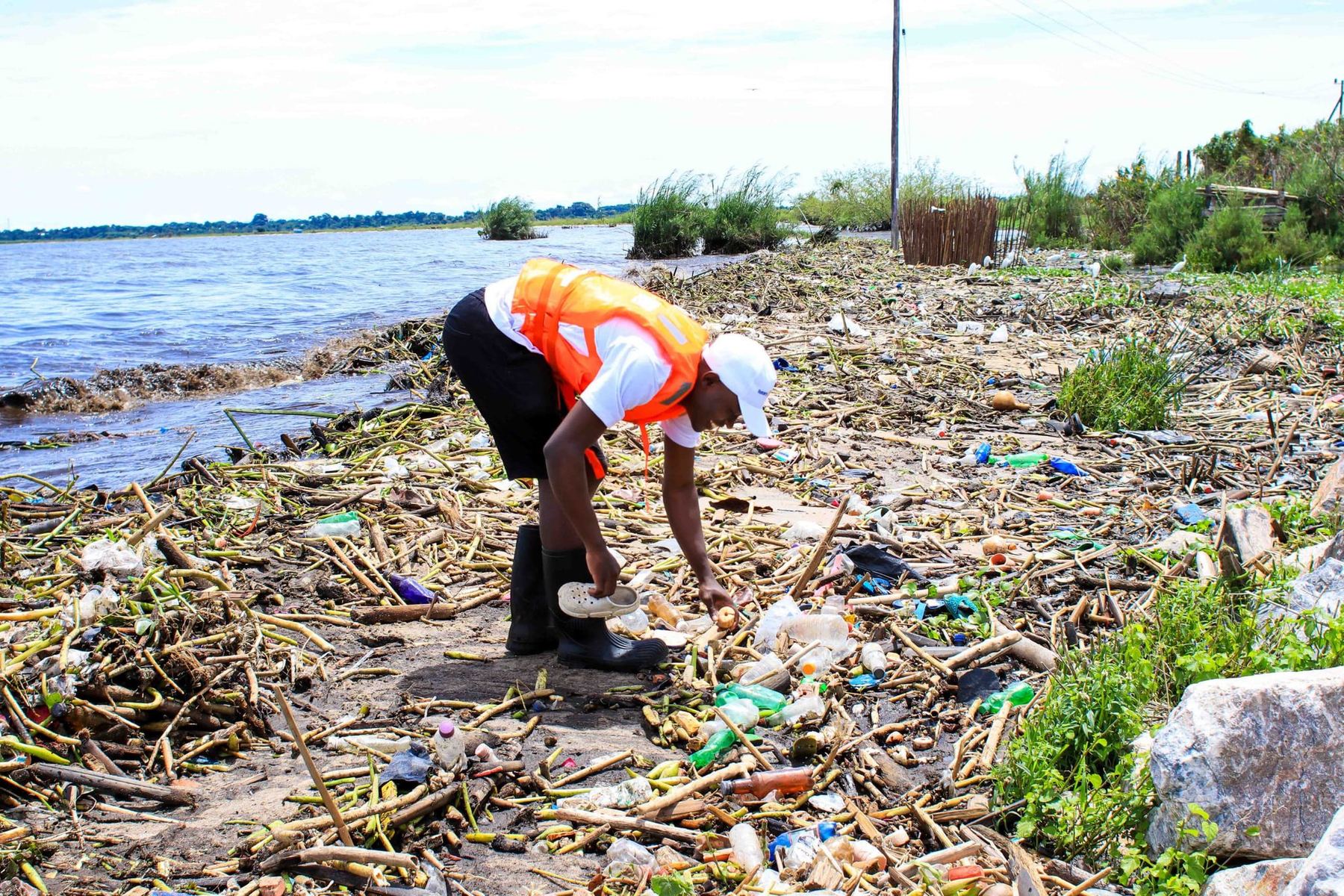
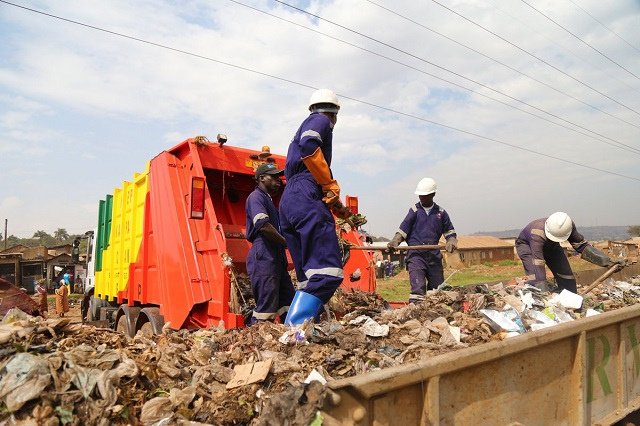
Garbage collection in Kampala is delivered mainly by licensed private collectors operating under KCCA oversight: you sign up for a weekly or bi-weekly route, put your waste out on the scheduled day, and the collector transports it to gazetted disposal sites. The system works well when the collector is professional, and painfully when they are not, so knowing what to expect is worth five minutes.
Who does what
KCCA sets the rules, licenses collectors and manages public disposal infrastructure. Licensed private companies run the collection routes for households, apartments and businesses. The gap between a good and bad experience is almost entirely the collector you choose.
What a professional service looks like
- A schedule that holds. The truck comes on the stated day, at a roughly predictable hour, including in rainy season when the waste is heaviest.
- Traceability. GPS-tracked trucks mean the company can tell you where your waste went. Ours can, route by route.
- Licensed disposal. Waste ends at gazetted sites, not a roadside ditch that becomes the neighbourhood's problem.
- Options for separation. Collectors serious about recycling offer segregated pickup; see our home segregation guide for how to prepare it.
Questions to ask before signing up
- Which days do you collect on my street, and what time window?
- What happens when a pickup is missed? Is there a make-up run?
- Do you take segregated recyclables, and do they actually get recycled?
- Are you licensed, and where does the waste go?
- What is the price in writing, and what does it include?
Apartments and gated communities
Shared premises do best with a central collection point, standard bins and one contract covering the whole property. It costs less per household than individual arrangements and keeps the compound clean between pickups. We set these up routinely, with bin sizing matched to the number of units.
Businesses are a different service
Restaurants, shops and offices generate different waste at different rhythms, and often need on-demand pickups on top of a schedule. That world, including hazardous fractions and compliance paperwork, is covered in our commercial waste guide. For everything else, our waste management services runs routes across greater Kampala and can usually add a household within a week.
Frequently asked questions
How often is garbage collected in Kampala?
Private collectors typically offer weekly or bi-weekly household pickup, with commercial premises on more frequent schedules. The right frequency depends on how much waste you generate and how much of it is organic.
What happens to garbage after it is collected in Kampala?
With a licensed collector, waste is transported to gazetted disposal sites, and recyclable fractions are increasingly separated out for processing. Ask your collector where your waste goes; a professional one can tell you.
How much does garbage collection cost in Kampala?
Prices vary with location, volume and frequency. Households pay a modest monthly fee; businesses are quoted on volume and service level. Get a written quote that states frequency, volumes and what happens on missed pickups.