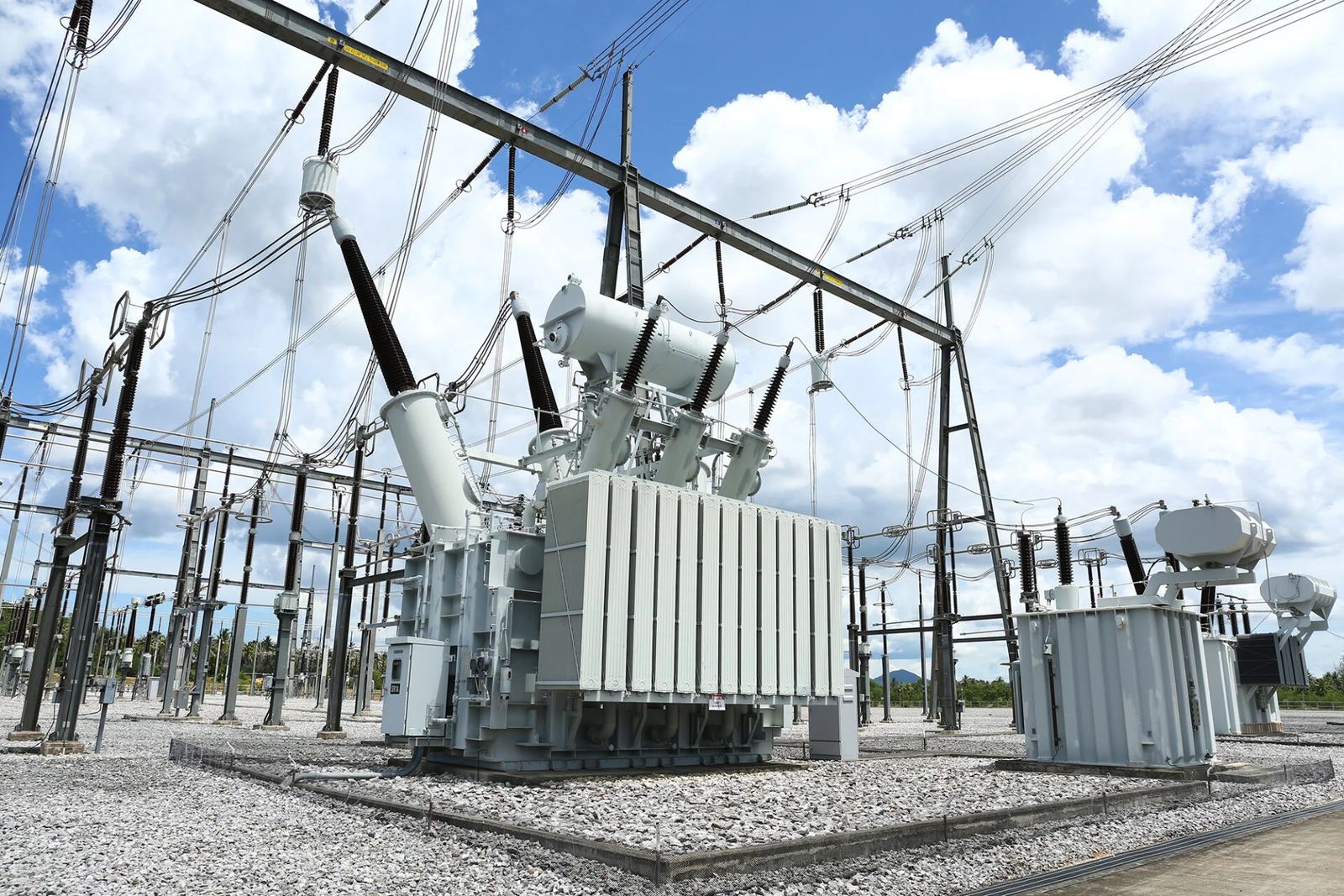
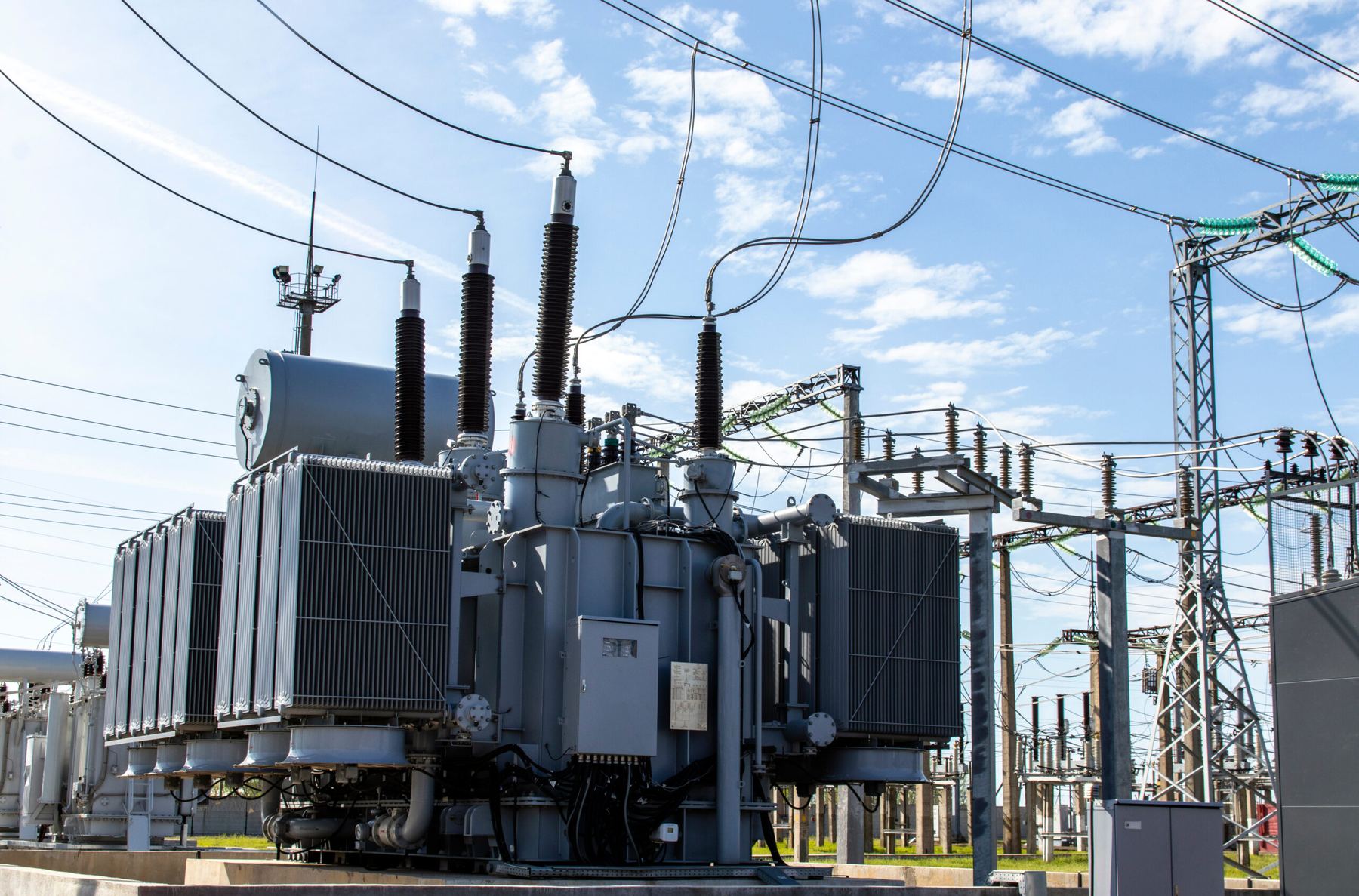
Transformers, switchgear, motor control centres and distribution panels fail in a predictable pattern: quietly at first, as connections loosen and insulation ages, then suddenly and expensively, often taking production time with them. Scheduled maintenance exists to catch the quiet phase. For a factory or commercial building, it is some of the cheapest insurance in the building.
Why this equipment gets forgotten
A transformer does not ask for attention. It sits behind the building humming for years, and the panels feeding your machines get opened only when something already smells like smoke. Meanwhile heat cycles loosen terminations, dust and lizards find their way into enclosures, moisture works on insulation, and breaker mechanisms stiffen in place. None of this is visible from outside the door, which is exactly the problem.
What a scheduled inspection covers
- Thermal imaging of live panels. Loose and corroded connections run hot before they fail. A thermal camera finds them without an outage.
- Visual and mechanical inspection. Enclosure condition, ingress, corrosion, breaker operation and labelling.
- Transformer checks. Oil level and condition, gasket weep, silica gel breathers, cooling surfaces and connection torque.
- Protection verification. Confirming that breakers and relays are set correctly and will actually trip when asked.
- Cleaning and torque rounds. Dust out, terminations re-torqued to specification, moisture traps renewed.
The cost equation is not close
Consider what a failure costs: an unplanned outage across the whole plant, the emergency call-out, potentially a burnt panel or transformer with a long procurement lead time, and every hour of production lost in between. Against that, a scheduled maintenance visit is a rounding error. The equation is the same one that applies to generator servicing, with larger numbers on both sides.
Where backup power fits in
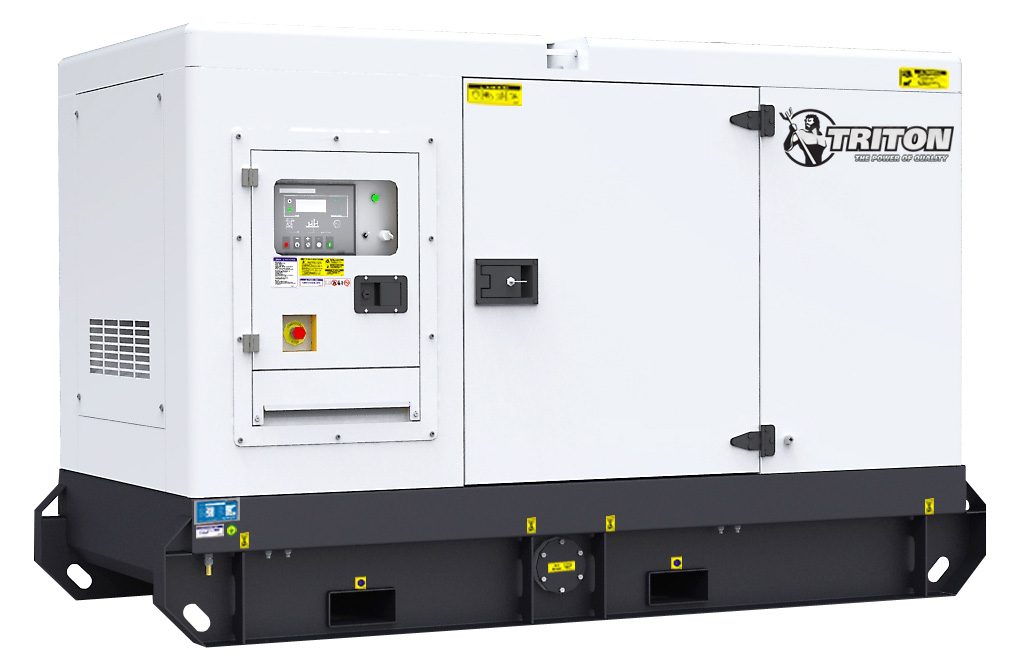
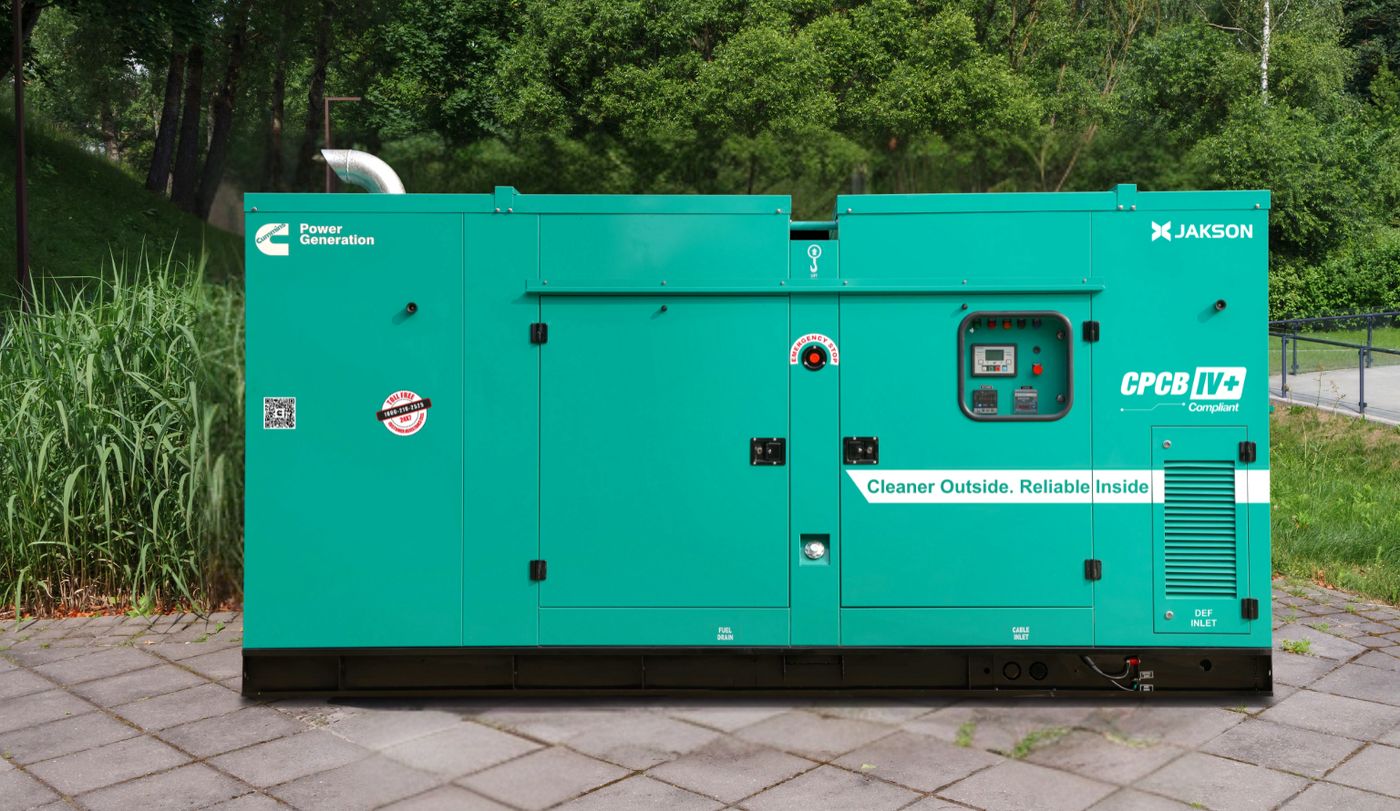
Well-maintained switchgear also makes your backup systems honest. Automatic transfer switches must operate cleanly for a layered backup design to work, and a standby generator is only as reliable as the panel that connects it. We treat the electrical path as one system, because that is how it fails.
Getting started
The first visit establishes a baseline: what equipment exists, its condition, thermal images on file and a defect list ranked by urgency. From there, a maintenance calendar keeps everything inspected on cycle. Our Power & Solar division runs these programs for factories, commercial buildings and institutions across Uganda, alongside the supply of switchgear, transformers, UPS units, motors and control panels when replacements are due.
Frequently asked questions
How often should switchgear be inspected?
A visual and thermal inspection at least annually, with a deeper service including contact inspection and protection testing on a multi-year cycle set by the equipment class and its duty.
What are the warning signs of a failing transformer?
Unusual humming, oil leaks or weeping around gaskets, discoloured or bubbling paint from heat, and rising temperature under normal load. Any of these justifies an immediate professional inspection.
Why does electrical maintenance need thermal imaging?
Loose or corroded connections heat up long before they fail. A thermal camera sees that heat through a live panel, catching faults early without shutting the plant down.