Office backup power in Uganda works best as layers: a UPS gives electronics instant, seamless protection for minutes; an inverter system with a battery bank carries the office for hours; and a generator covers the long outages. Choosing one layer to do another layer's job is where the money gets wasted and the servers get hurt.
Layer 1: The UPS, measured in seconds and minutes
An uninterruptible power supply exists for one purpose: when grid power blinks, the equipment plugged into it never notices. Switchover is measured in milliseconds, which is what servers, network gear, payment terminals and desktop computers need. What a UPS does not do is run an office for long; most units hold minutes, enough to save work and shut down cleanly, or to bridge the gap until the next layer takes over.
Layer 2: The inverter system, measured in hours
An inverter with a proper battery bank is the workhorse layer. Sized correctly, it carries lights, computers, routers and a fridge through an afternoon outage in silence, with no fuel burned and nothing to switch manually. Because the architecture is identical to a solar installation minus the panels, offices that start with an inverter bank often add panels later and start harvesting daytime power; the economics are laid out in our solar versus generator comparison.
Layer 3: The generator, measured in days
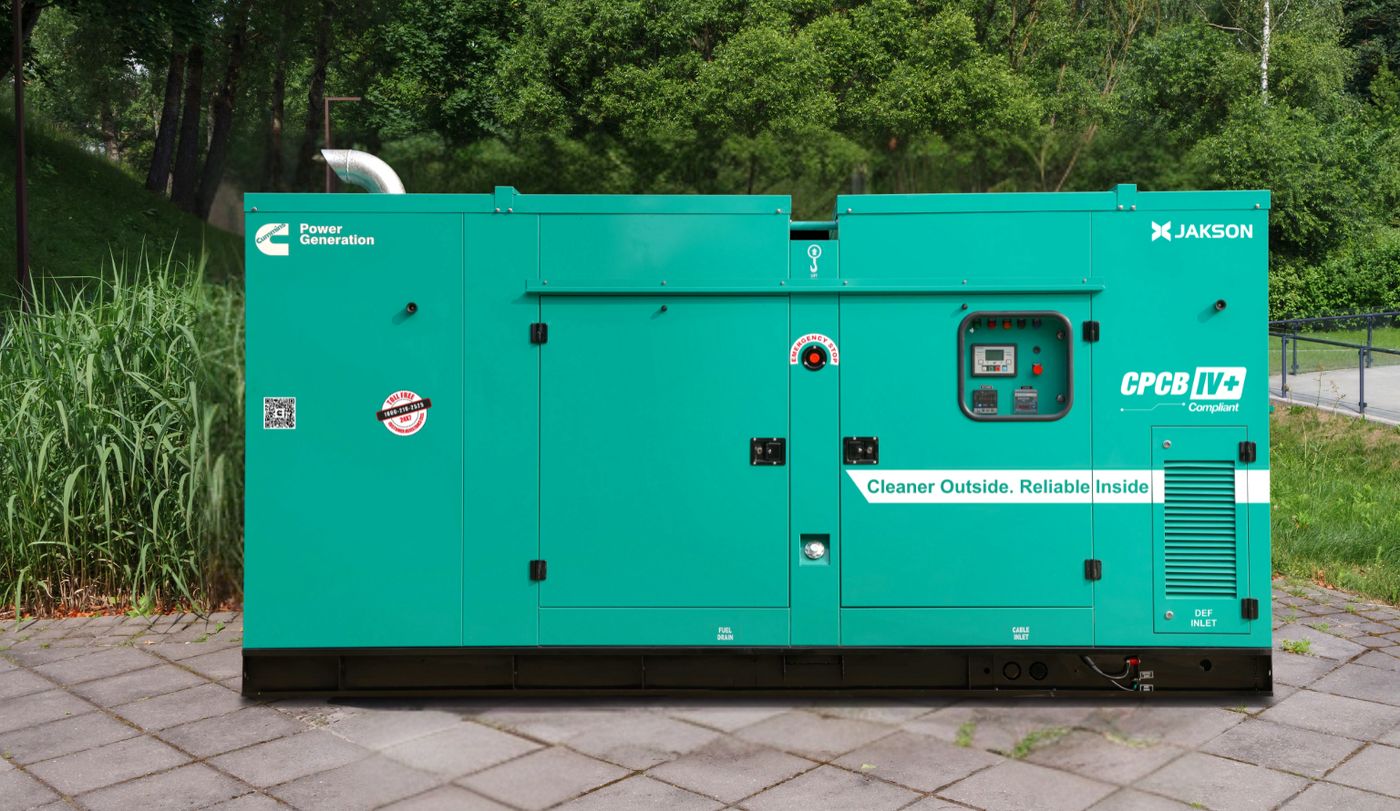
When an outage stretches past what batteries hold, or when the office includes heavy loads like air conditioning and kitchens, a standby generator does what only fuel can: unlimited runtime. It should start automatically, run at an efficient load, and be maintained like the business asset it is; neglected standby sets fail exactly when needed, as we detail in our maintenance schedule guide.
How the layers work together
- Grid drops. The UPS carries sensitive equipment through the first seconds.
- The inverter system picks up the office load within moments and runs silently on batteries.
- If the outage outlasts the bank, the generator starts, carries the office and recharges the batteries.
- Grid returns. Everything reverses automatically, and nobody lost a file.
Sizing mistakes that hurt offices
- Kettles and printers on the UPS. Heating elements and laser printers belong on ordinary sockets.
- Batteries sized for the brochure, not the office. Count the real load of every workstation, then decide the hours you need.
- No maintenance owner. Batteries age and generators need service; someone must own the schedule.
Our Power & Solar division designs all three layers, supplies the equipment and services it afterwards, so the office keeps working no matter how long the lights are out on the street.
Frequently asked questions
What is the difference between a UPS and an inverter system?
A UPS switches to battery in milliseconds and protects electronics from even a blink, but typically holds only minutes. An inverter system with a battery bank takes over for hours and runs the office, but is not always fast enough alone to protect sensitive servers.
What should stay on UPS power in an office?
Servers, network equipment, payment systems and any computer where losing unsaved work is expensive. Printers and kettles should never share a UPS; they drain it instantly.
Do inverter systems work with solar?
Yes. The same inverter and battery architecture accepts solar panels, which then recharge the bank on sunshine instead of grid power alone and cut daytime bills.