An off-grid solar home system has four parts: panels that harvest energy, a charge controller that protects the batteries, a battery bank that stores the day's energy for the night, and an inverter that turns stored DC power into the 240 V AC your appliances use. Size those four honestly around how your family actually lives and the system delivers for years. Size them on hope and the batteries die young.
The four components, plainly
| Component | Job | Sized by |
|---|---|---|
| Solar panels | Harvest energy by day | Your total daily energy use |
| Charge controller | Charge batteries safely | Panel array size |
| Battery bank | Store energy for night | Evening and overnight loads |
| Inverter | Make 240 V AC | Largest load running at once |
Start with an evening, not a catalogue
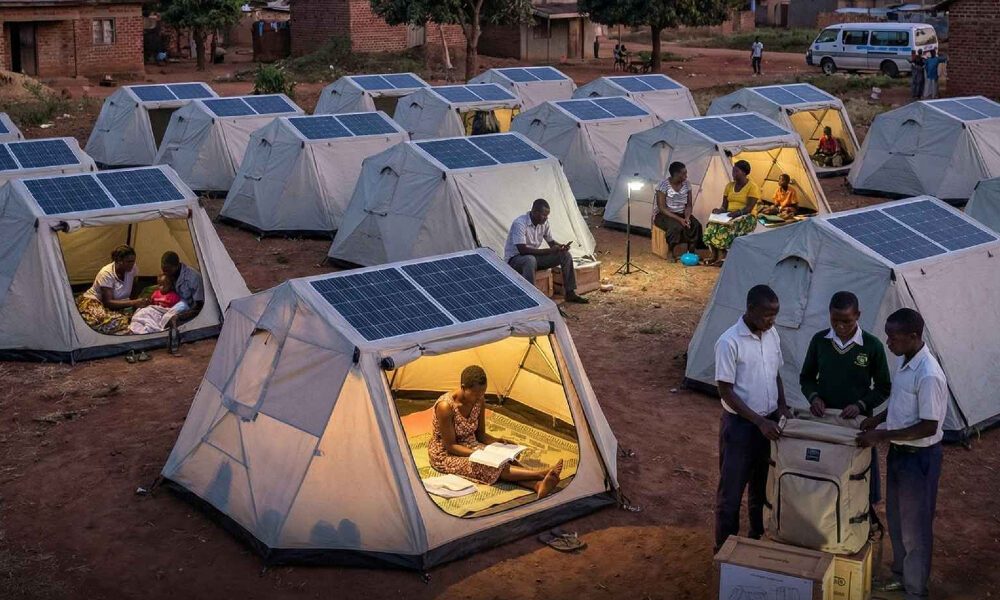
Walk through a normal evening at home: which lights burn and for how long, the TV hours, the phones on charge, whether a fridge hums through the night. That inventory, converted to watt-hours, is your battery bank's real job description. It is the same discipline as sizing a generator, pointed at a different machine.
The battery decision matters most
Batteries are the component you will buy more than once, so their chemistry dominates lifetime cost. Lithium banks cost more on day one, tolerate deep daily discharge and routinely outlast lead-acid several times over. Lead-acid still makes sense for tight budgets, but must be oversized because only part of its capacity is usable day to day. We compare the economics in our cost factors guide.
Habits that double a system's life
- Respect the design. The system was sized for the load list you gave. Adding a freezer without adding capacity starves the batteries.
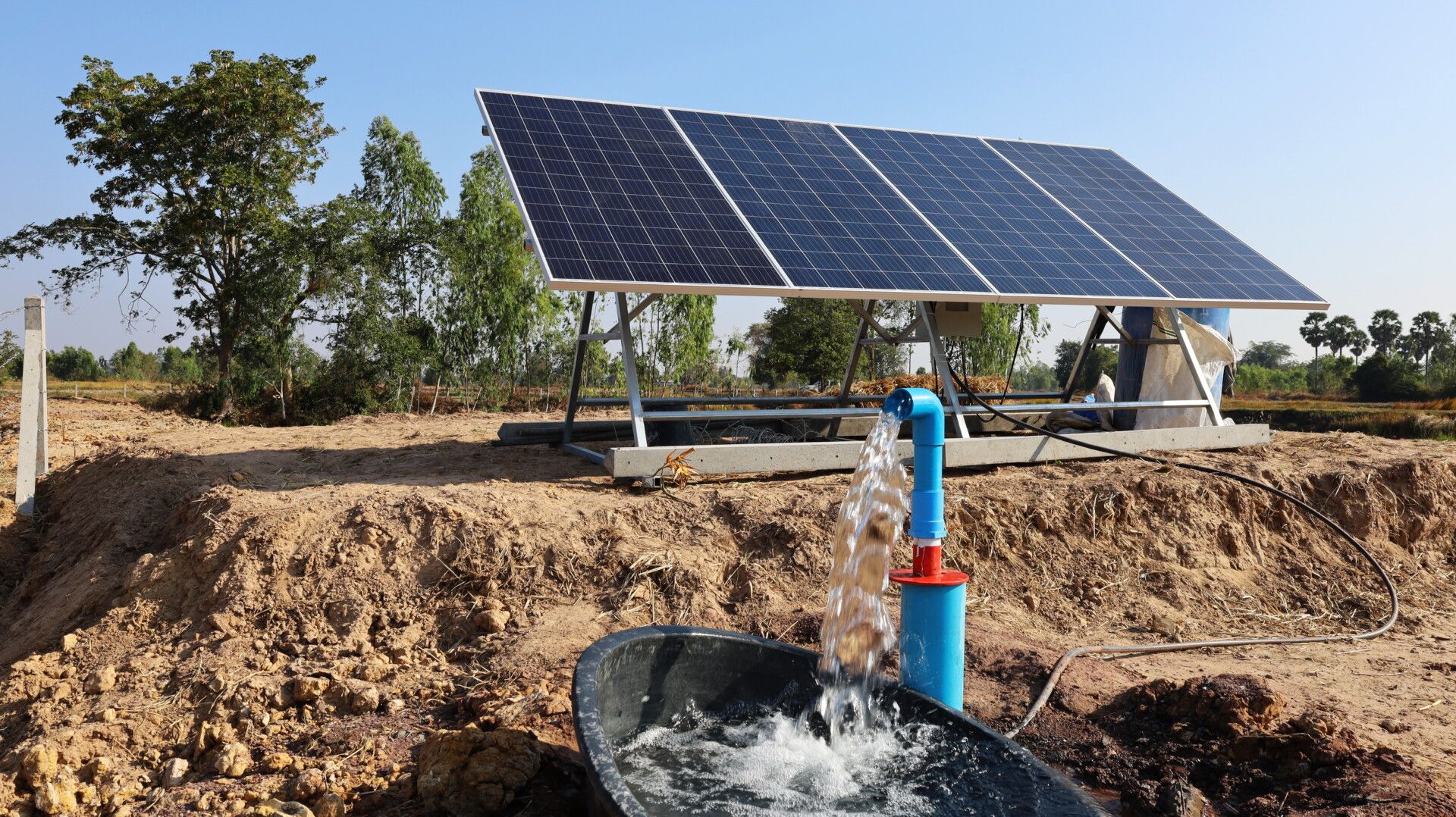
- Iron and pump on sunshine. Run heavy loads in daytime when the panels can carry them directly.
- Keep panels clean. Dust and leaf shade quietly steal harvest. A wipe-down each month keeps output honest.
- Watch the state of charge. Modern inverters show it. Evenings that start below half signal a system due for expansion.
Plan for expansion on day one
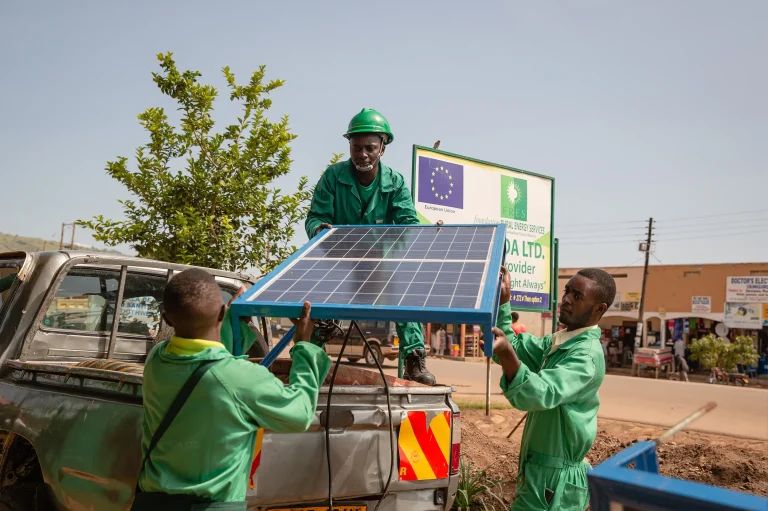
Families grow into their power. A well-planned first installation leaves controller headroom, cable capacity and physical space so the next panels and batteries bolt on rather than force a rebuild. Tell your installer what you dream of running in three years, not just what you can afford today. Our Power & Solar division designs exactly that way, and services what we install.
Frequently asked questions
What can a small off-grid solar system run in Uganda?
A starter system comfortably runs LED lights, phone charging, a radio and a small TV every evening. Fridges, pumps and irons need a larger battery bank and inverter, and are the usual next upgrade.
How long do solar batteries last in home systems?
Lithium batteries commonly deliver many more charge cycles than lead-acid, often serving a decade with sensible use. Lead-acid banks cost less upfront but typically need replacement years sooner.
Can I start small and expand later?
Yes, if the first installation plans for it. We wire and size cabling, controller and inverter capacity so panels and batteries can be added without redoing the system.