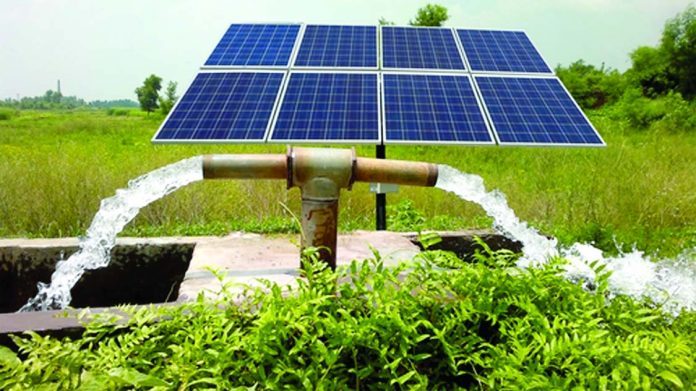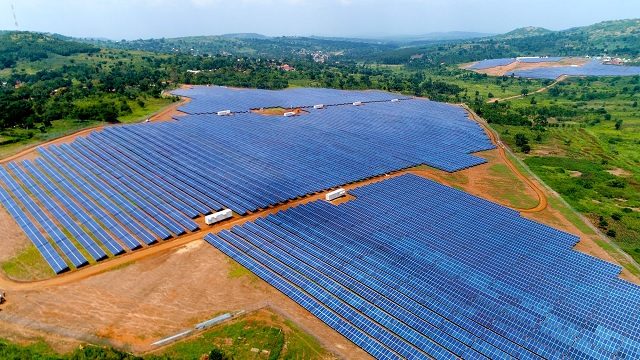
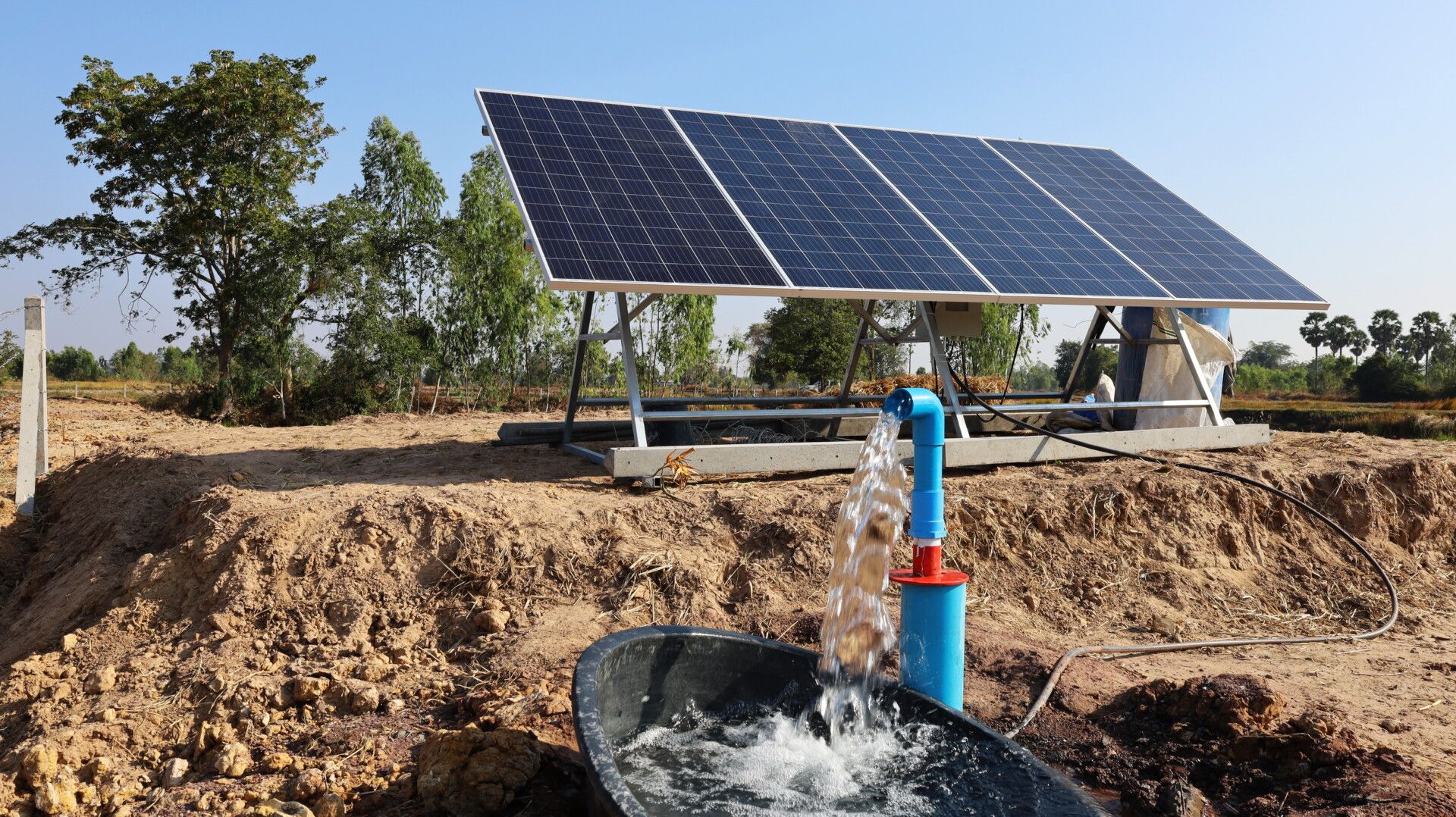
A solar water pumping system uses panels to drive a pump directly: sun shines, water moves, and a raised storage tank does the job batteries would otherwise do. There is no fuel to buy, no operator to pay and very little to maintain, which is why boreholes, farms and rural water points across Uganda are switching from diesel pumps.
The parts, in one paragraph
Panels convert sunlight to electricity. A controller conditions that power and protects the pump, starting it gently as the sun rises. The pump, submersible in a borehole or surface-mounted at a river or tank, moves water into storage, usually an elevated tank that then feeds taps, troughs or drip lines by gravity. A float switch stops the pump when the tank is full.
Why store water instead of electricity
- Tanks are cheaper than batteries and last decades.
- The demand matches the supply. Crops, animals and households need water daily; the sun delivers energy daily.
- Cloudy days are smoothed by simply sizing the tank for two or three days of use.
What replaces the diesel bill
A diesel pump costs money every single day it runs: fuel, transport of fuel, oil, filters and eventually an engine rebuild. A solar pump replaces all of it with sunlight. The panels themselves are typically warranted for around 25 years of output, and a quality submersible pump serves for many years before overhaul. The result is a system whose lifetime cost is dominated by the one-time installation, not by consumption.
What determines the design
| Question | What it sets |
|---|---|
| How deep is the water? | Pump type and power needed |
| How much water per day? | Pump flow rate and panel array size |
| How far and how high to storage? | Pipe sizing and head calculations |
| What is the water for? | Tank size and distribution design |
Those four answers, measured properly on a site survey, produce a system that delivers its rated water day after day. Guessing them produces the disappointed installations you may have seen, where an undersized array trickles water a farm cannot use.
Where these systems shine in Uganda
Boreholes for communities and schools, livestock troughs on dry-season pasture, fish ponds, and above all irrigation, which we cover in depth in our solar irrigation guide. Our Power & Solar division surveys the source, designs the hydraulics and installs the complete system, from panels to tank stand.
Frequently asked questions
Does a solar water pump work on cloudy days?
Yes, at reduced flow. Systems are designed around a storage tank sized to carry you through low-sun days, which is cheaper and simpler than batteries.
Do solar pumps need batteries?
Usually not. The standard design pumps hardest when the sun is strongest and stores water, not electricity, in an elevated tank. Batteries are only added for special cases like night pumping.
How deep can a solar pump lift water?
Submersible solar borehole pumps routinely lift from depths of 100 metres and more. Depth, flow rate and pipe run determine the pump model and panel array, which is why a site survey comes first.