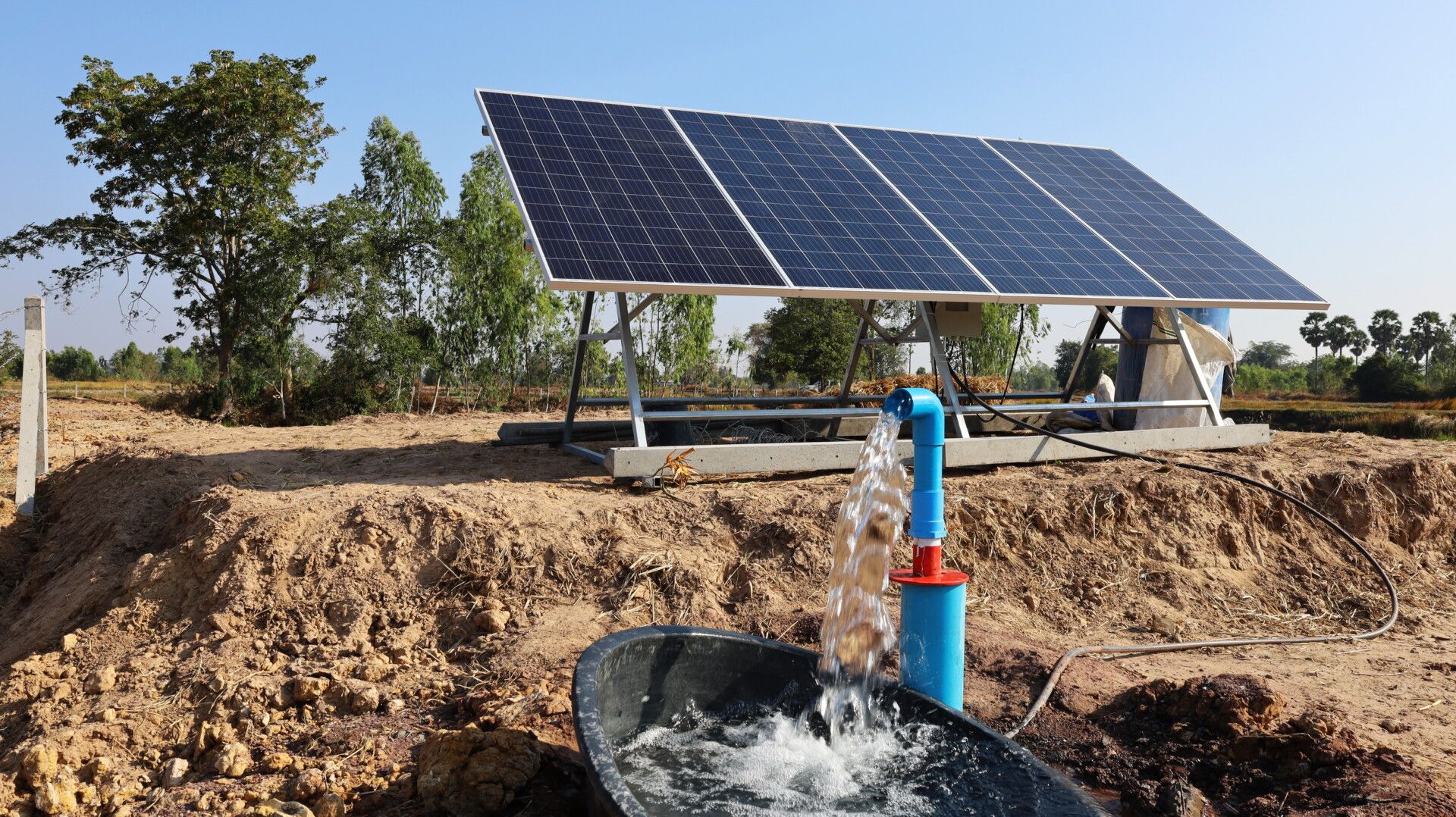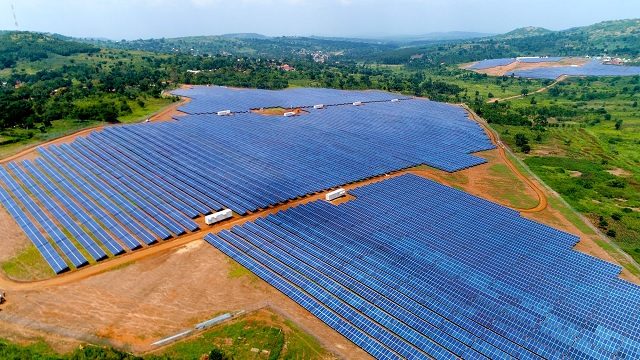
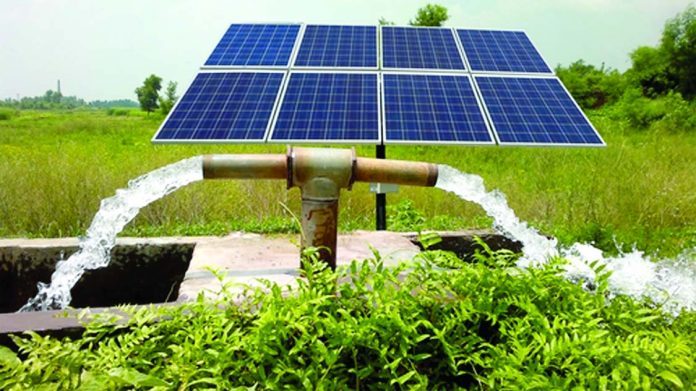
Solar irrigation uses the sun to pump water from a borehole, well, river or pond to your crops, replacing the fuel-driven pumps whose running costs eat dry-season profits. The equation is unusually kind: the same dry-season sun that stresses the crop is the energy source that waters it, and demand for water peaks exactly when the panels produce the most.
Why the economics favour farmers
- The fuel bill goes to zero. A petrol pump watering an acre costs money every day of a dry season that lasts months. Solar pumps the same water on sunshine.
- Dry-season prices reward irrigation. Vegetables brought to market when rain-fed plots have nothing sell at the year's best prices.
- The system multiplies seasons. Farms that irrigate plant and harvest more cycles per year from the same land.
Pair pumping with drip, not flooding
Pumped water is an asset; flooding a furrow wastes most of it to evaporation and runoff. Drip lines deliver water to the root zone drop by drop, which means the same solar pump can irrigate several times the area. For most vegetable and fruit operations we design the pump, tank and drip system together, sized so the tank fills by afternoon and gravity feeds the lines.
What a typical farm system looks like
- Source: borehole, well, pond or river, surveyed for depth and daily yield.
- Solar array and controller sized to lift your daily water need in a day of average sun.
- Elevated tank holding a day or more of irrigation water.
- Distribution: gravity-fed drip lines or sprinklers laid out for the crop.
The mechanics of the pumping itself, and why tanks beat batteries, are covered in our solar water pumping guide.
Questions to answer before you invest
- How much water does your crop need per day at peak, per acre?
- Can your source sustain that draw through the driest month?
- Who maintains the system? (With solar, the honest answer is: almost nobody. Panels want occasional cleaning; drip lines want flushing.)
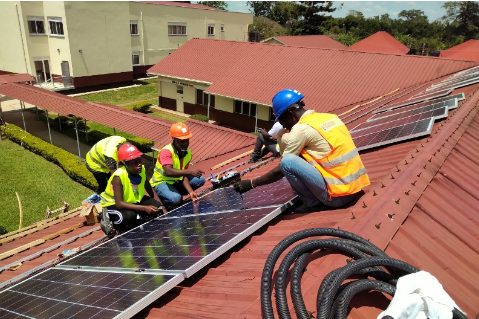
Our Power & Solar division installs complete farm systems, from the submersible pump to the last drip line, and our team explains the operation in the field, to the people who will actually run it.
Frequently asked questions
How much land can solar irrigation cover in Uganda?
Anything from a kitchen garden to several acres. Coverage depends on the water source, the pump size and whether you use drip or flood irrigation. Drip stretches the same pumped water across far more land.
Does solar irrigation work in the rainy season?
It is simply used less. The system stands ready for dry spells within the rains and for the full dry season, and many farms also use it for livestock water year round.
What water sources work for solar irrigation?
Boreholes, shallow wells, rivers, dams and ponds all work. The source determines the pump type, so the site survey starts there.