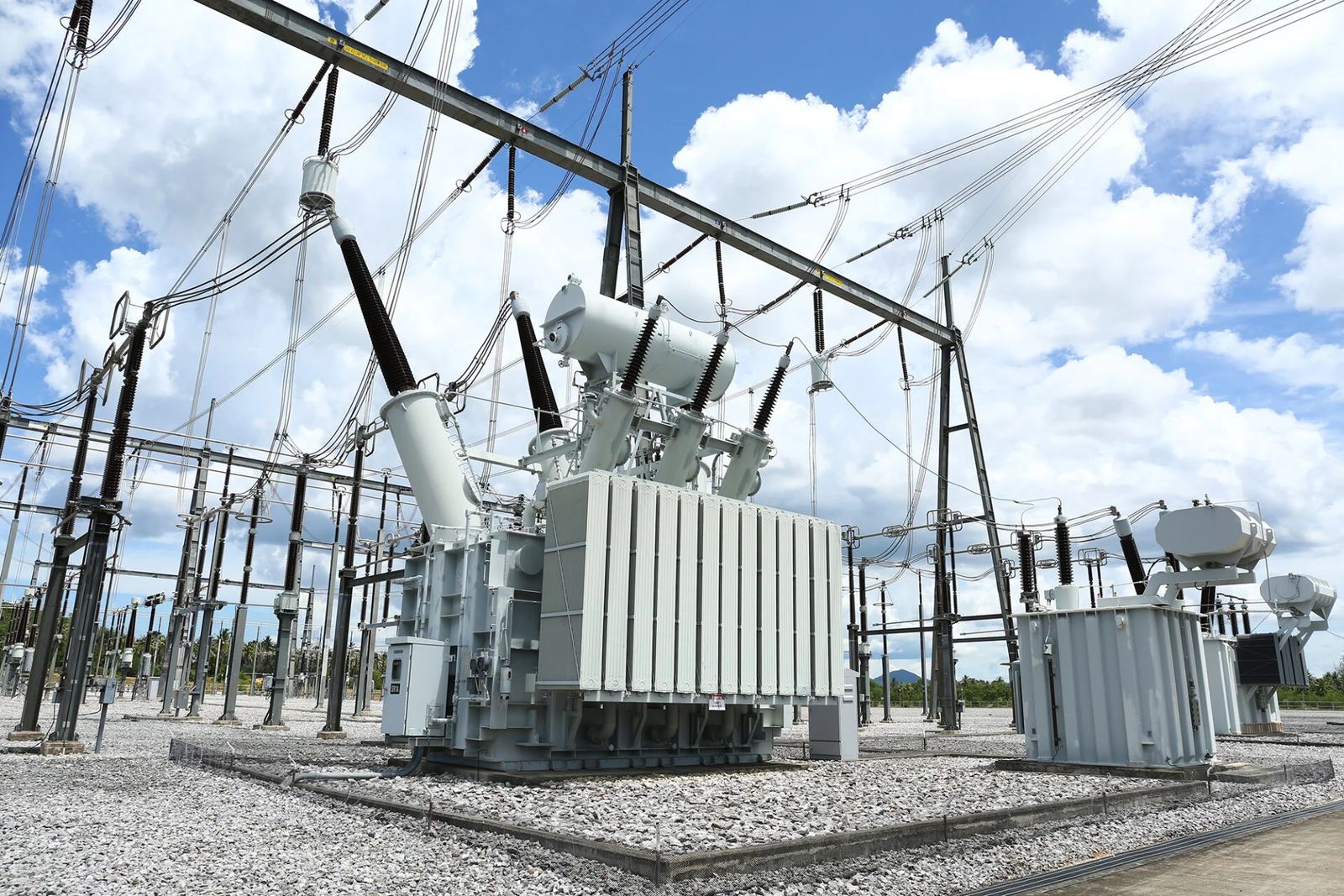
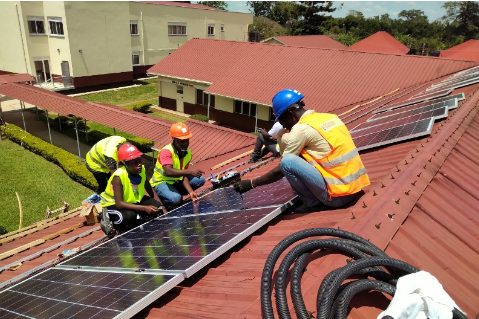
For a school, solar power means study hours after dark, a computer lab that actually runs, and security lighting across the compound. For a health clinic it means a vaccine cold chain that never breaks, a delivery room with light at any hour, and diagnostic equipment that works when patients arrive. These are institutions where power is not comfort but capability, and solar fits them unusually well.
Why institutions and solar fit each other
- Daytime-heavy loads. Classrooms, laboratories and clinics do most of their work while the sun is up, letting panels carry load directly and batteries stay for the evening and emergencies.
- Fuel budgets that never arrive. Generator-dependent institutions ration power because fuel money runs out. Sunshine does not depend on a bursar's term-time cash flow.
- Predictable, auditable costs. One capital installation with a known maintenance schedule is easier for a board or donor to fund than an open-ended fuel line item.
Designing for a clinic: the cold chain rules
A vaccine refrigerator is the most demanding load in a rural clinic, not because it is large but because it can never be off for long. Institutional designs treat it as a protected circuit: sized battery reserve, priority wiring, and alarms staff can act on. Around that core, lighting for wards and the delivery room, sterilisation equipment, phone charging and staff quarters are layered by priority, so that even a poor-sun week degrades comfort before it ever touches the fridge.
Designing for a school: hours of light are hours of learning
The highest-value watts in a school are evening ones: supervised prep, staff marking, and safe, lit compounds for boarders. A typical design lights classrooms and dormitories on efficient LEDs, powers the office and lab through the day, and reserves battery capacity for four to five evening hours. Where a school also pumps its own water, a solar pumping system shares the same logic and often the same tank stand.
What a serious institutional proposal includes
- A measured load audit by room and priority, not a guess.
- Storage stated in kilowatt-hours with the autonomy hours it buys.
- Named equipment brands with warranty terms in writing.
- A handover package: staff training, documentation and a service schedule.
The cost drivers are the same five we outline in our pricing guide, scaled up. Our Power & Solar division has installed for schools and health facilities across Uganda, and every proposal is written so a management board can interrogate it line by line.
Frequently asked questions
What does a clinic need from a solar system?
Reliable lighting in wards and the delivery room, refrigeration for vaccines and samples, and stable power for diagnostic equipment and staff communication. The vaccine fridge sets the reliability bar because it can never be off for long.
How do schools benefit from solar power?
Evening and early-morning study hours, powered computer labs and staff equipment, and lower operating costs than fuel generators. Boarding schools also gain security lighting across the compound.
Who maintains an institutional solar system?
A good installer trains a staff member on daily checks and provides scheduled professional servicing. We hand over every institutional system with training, documentation and a maintenance schedule.